
Services Details
- Home
- /
- Services Details

Sea freight shipping to Kenya
Types of sea freight shipping to Kenya
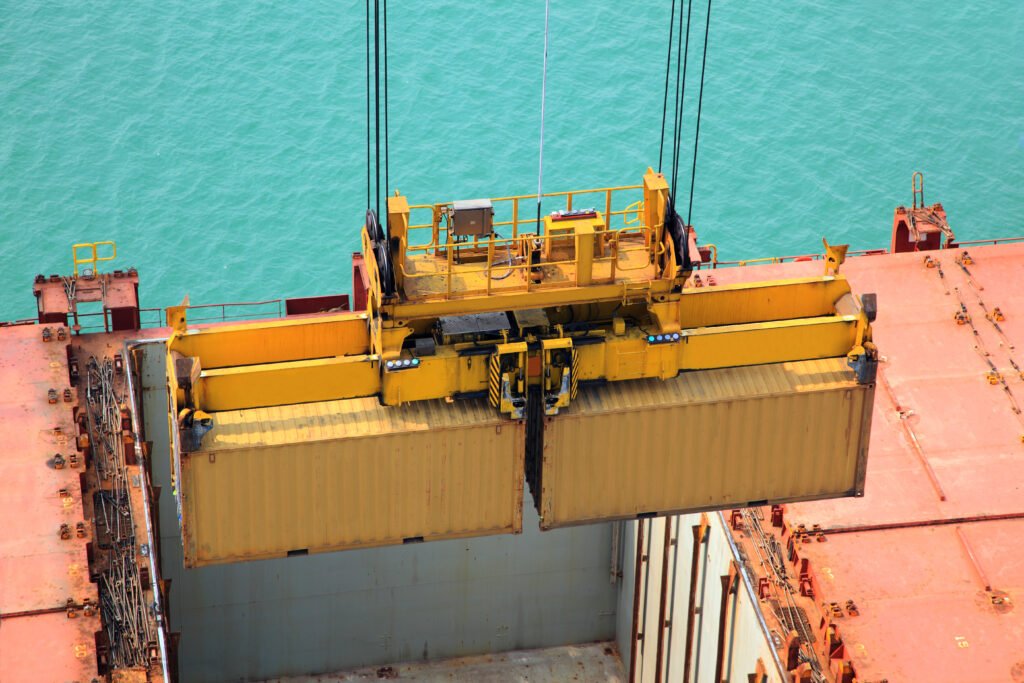
Full Container Load (FCL)

Less than Container Load (LCL)
Get in touch
We’d love to hear from you. Reach out and we’ll respond promptly.
contact us
+254 722 111 167
Do you have any question?
What transport methods are used to move merchandise across international borders?
There are several transport methods used in international trade, including sea freight, air freight, road freight, and rail freight. The best method depends on the shipment size, cost considerations, and how urgently the cargo needs to be delivered.
How do I choose the best shipping method for my cargo?
The importer or exporter should consider:
The size and volume of the shipment
The total shipping cost
The urgency of delivery
Customs procedures and documentation requirements
For shipments coming from outside of Europe, sea freight is often the most cost-effective option.
What is FCL in sea freight?
FCL stands for Full Container Load. It is booked when a shipper reserves an entire container for their cargo.
All goods inside the container typically belong to one shipper and are not combined with cargo from other businesses.
Does an FCL container need to be completely full?
No. Even if the container is only partially filled (for example, half or a quarter full), it is still considered FCL as long as it is booked by a single shipper as one shipment.
As a general guide:
A 20-foot container can hold up to 10 standard pallets
A 40-foot container can hold up to 21 standard pallets
Are there additional charges with LCL shipments?
Yes. One challenge with LCL shipments is that destination charges may not always be clearly communicated in advance.
While the freight cost may seem low, additional fees such as:
Terminal handling charges
Documentation fees
Port handling fees
may apply at the arrival port if not discussed beforehand.
Why can the LCL market be unclear or unpredictable?
The LCL market can sometimes lack transparency. Although initial freight rates may appear competitive, additional charges at the destination can increase the overall shipping cost if they were not previously agreed upon.
It is always recommended to clarify all origin and destination charges with the shipper before booking.
What are the advantages of FCL?
FCL offers several benefits:
Faster delivery compared to LCL
Less handling of cargo
Lower risk of delays
Reduced chance of customs issues caused by other shipments
The container does not need to be unpacked before final delivery
What is LCL in sea freight?
LCL stands for Less than Container Load. It is used when a shipper does not have enough cargo to fill an entire container.
In this case, the shipment is combined with goods from other shippers in a shared container.
How does LCL shipping work?
A consolidator:
Collects cargo from multiple shippers
Combines them into one full container
Ships the container to the destination
Separates the shipments for individual delivery
Before customs clearance and delivery, all cargo must be unloaded and sorted.
Is LCL cheaper than FCL?
LCL is more expensive per unit of freight compared to FCL. However, it is more affordable for importers and exporters with smaller shipments because they do not have to pay for an entire container.
How are LCL shipping costs calculated?
LCL costs are usually based on:
CBM (Cubic Meter measurement)
Weight of the shipment
The higher value between volume and weight is typically used to calculate freight charges.